

QUICK ANSWER
Roof replacement costs are rising in 2026 due to steel and aluminum tariffs affecting metal roofing and flashing, along with multiple rounds of manufacturer price increases on asphalt shingles. At the same time, insurance carriers are tightening underwriting and raising premiums nationwide. For homeowners already considering a roof replacement, today’s pricing is likely to be the lowest it will be for the foreseeable future — making earlier action, not later, the financially smarter move.
Roof replacement isn’t just a home maintenance decision anymore — it’s increasingly tied to broader economic forces that most homeowners never used to have to think about. In 2026, two real-world events are reshaping what a new roof costs and how insurance factors into the decision: federal tariffs on construction materials and a genuinely shifting property insurance market. Here’s what’s actually happening, and what it means if a roof replacement is on your radar.
Why Roof Replacement Costs Are Rising Right Now
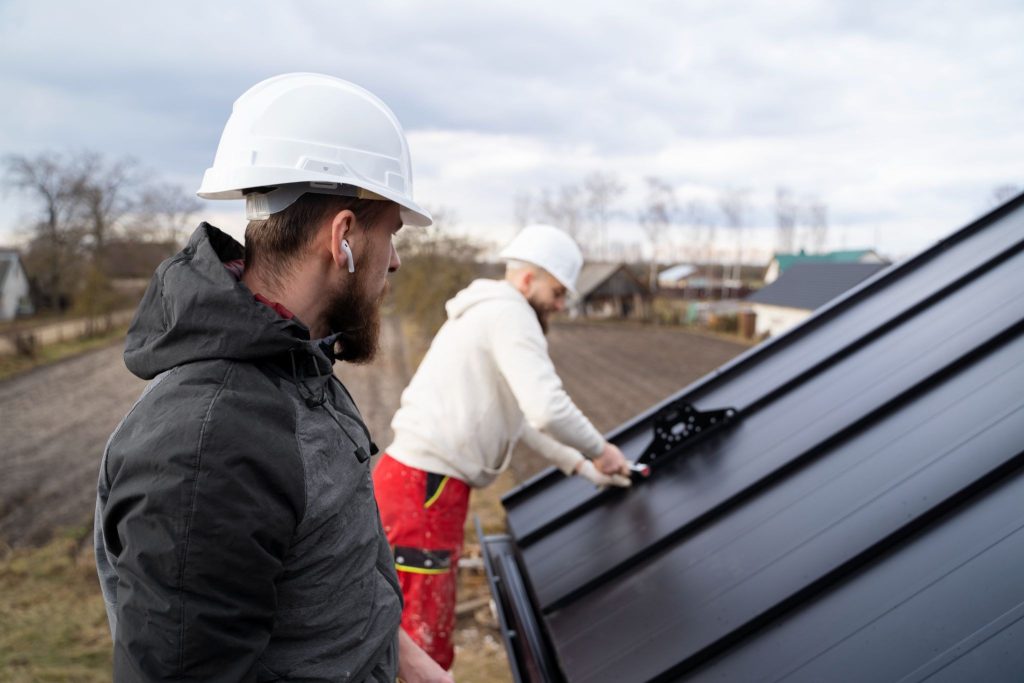
Steel and aluminum tariffs. Section 232 tariffs on imported steel and aluminum were expanded and roughly doubled in 2026, directly raising costs on metal roofing panels, flashing, drip edge, vents, and fasteners. This has been the single biggest driver of metal roofing price increases this year, and it’s already worked its way through the supply chain from raw materials to distributor pricing to what contractors quote homeowners.
Multiple rounds of manufacturer price increases. Major shingle manufacturers have raised prices more than once in 2026, on top of increases that already took effect in 2025. These increases are cumulative — each round builds on the last rather than replacing it — which is part of why roof replacement costs have climbed steadily rather than in one single jump.
An insurance market that’s genuinely changing. Property insurance carriers have been tightening underwriting standards, raising deductibles, and in some regions pulling back from covering roofing-related claims as aggressively as they once did. This isn’t a temporary blip; it reflects years of high storm-damage payouts nationally. For homeowners, that translates into higher premiums and, in some cases, stricter requirements about roof age and condition to even maintain coverage.
What This Means If You’re Considering a Roof Replacement
Waiting rarely saves money anymore. With tariffs unlikely to reverse in the near term and manufacturers raising prices multiple times a year, the pattern homeowners used to rely on — waiting for prices to come back down — isn’t playing out the way it once did. In practical terms, today’s price is often the best price you’ll see.
Insurers are paying closer attention to roof age. As underwriting tightens, some insurance carriers are asking more direct questions about roof age and condition, and in certain cases adjusting coverage or premiums based on it. A roof replacement isn’t just a repair anymore — it can directly affect what you pay for homeowners insurance, or whether you can get standard coverage at all.
Impact-resistant shingles are worth a second look. As material costs climb across the board, the relative cost gap between standard shingles and upgraded impact-resistant (Class 4) shingles has been shrinking, while the insurance premium discounts many carriers offer for impact-resistant roofing stay meaningful. That combination makes the upgrade a more attractive value proposition in 2026 than it was even a year or two ago.
Make sure your coverage reflects current costs. If your roof is ever damaged by a storm, the payout from your insurance policy needs to reflect what materials and labor actually cost today — not last year’s pricing. It’s worth confirming your dwelling coverage limits are up to date before you need to file a claim, not after.
What to Do Next
None of this means every homeowner needs a roof replacement immediately — but if your roof is already aging, showing wear, or you’ve been putting off a decision “until prices calm down,” it’s worth having an honest, no-pressure conversation about where things actually stand. A professional roof inspection can tell you whether you’re looking at a simple repair or a replacement that makes more financial sense to schedule now rather than later.
Cambria Exteriors offers free, no-obligation inspections and estimates across Cambria, Somerset, Westmoreland, Indiana, and the surrounding counties throughout Western PA. If you want a ballpark number without waiting for a visit, our instant online quote tool can give you a starting point in minutes, and you can see examples of past roof replacement projects we’ve completed.
Frequently Asked Questions
Why is roof replacement more expensive in 2026 than in previous years?
A combination of steel and aluminum tariffs, multiple rounds of manufacturer price increases on shingles, and rising material costs industry-wide have pushed roof replacement prices higher throughout 2026.
Will roof replacement prices come back down?
Most industry analysts don’t expect a near-term reversal, since the tariffs and cost pressures driving prices up are structural rather than temporary. For homeowners planning a replacement, today’s pricing is generally expected to be at or near the lowest it will be for a while.
Does my roof’s age affect my homeowners insurance?
Increasingly, yes. As insurance carriers tighten underwriting standards nationally, some are factoring roof age and condition more directly into premiums and coverage eligibility than they used to.
Are impact-resistant shingles worth the extra cost?
For many homeowners, yes — the price difference between standard and impact-resistant (Class 4) shingles has been shrinking relative to overall material costs, while insurance discounts for impact-resistant roofing remain meaningful in many states.
How do I know if I need a full replacement or just a repair?
It depends on the extent of damage or wear. Isolated issues like a few missing shingles can often be repaired, while widespread wear, an aging roof, or storm damage combined with insurance considerations often make full replacement the more cost-effective long-term choice. A free inspection is the fastest way to know for sure.